Aude Chapuis, MD
Clinical Research Division, Program in Immunology
Endowed Chair: John C. and Karyl Kay Hughes Endowed Chair
View faculty profile
Bo Lee
Area of Responsibility: Bo is working to develop target reporters to identify the targets of anti-tumor T cells residing in the tumors of cancer patients. She is also assisting in developing processes to support clinical products and IND generation to enable clinical trial initiation.
Francesco Mazziotta
Area of Responsibility: Francesco Mazziotta's research focuses on the immunobiology of acute myeloid leukemia and the development of novel cancer immunotherapies. His work investigates the mechanisms of immune system dysfunction in cancer and aims to improve treatment outcomes by modulating immune responses. Previously, Francesco's research has elucidated the role of specific immune cell subsets in therapy resistance and survival, leading to potential new strategies for first-line treatments in acute myeloid leukemia. Francesco also worked as a clinician specializing in hematologic malignancies in Italy.
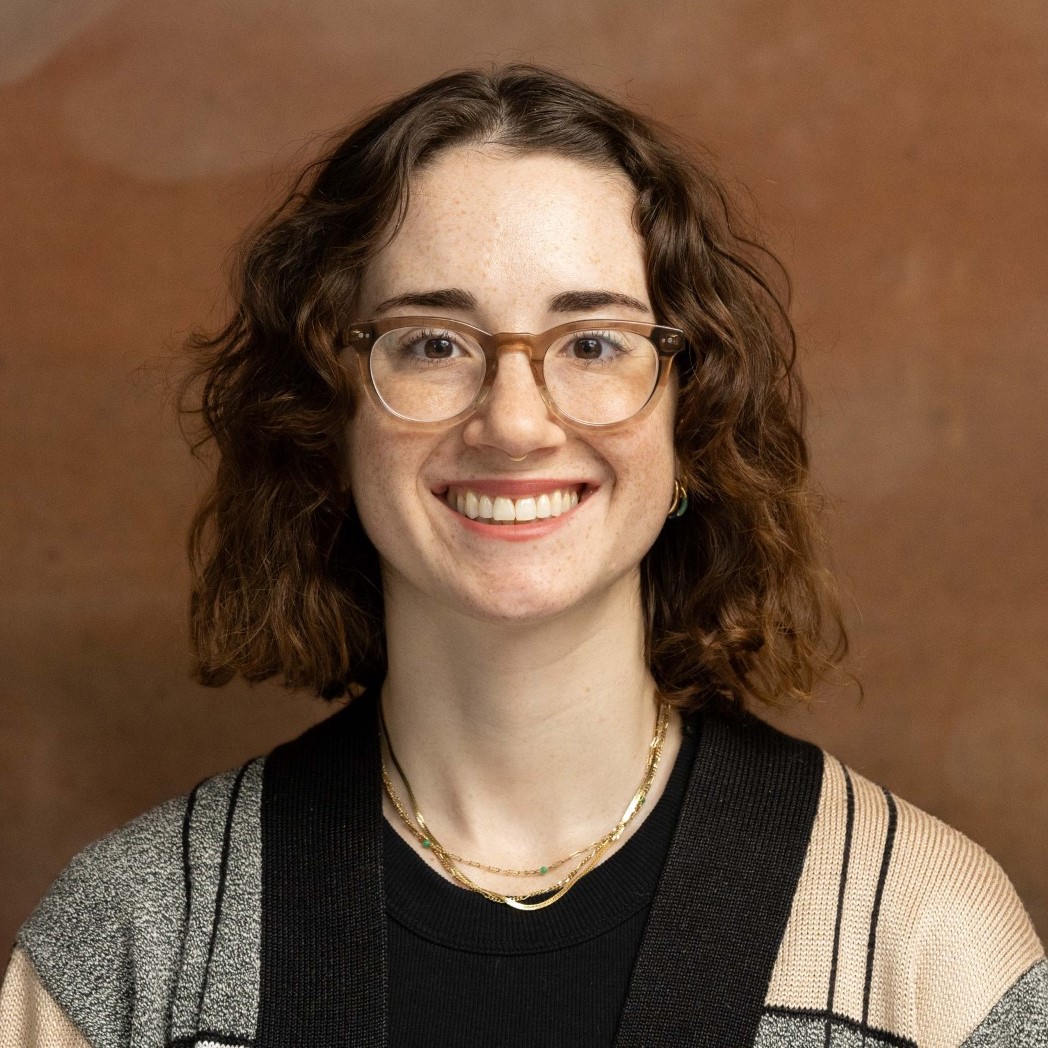
Erica Brown
Area of Responsibility: Erica is a postdoctoral fellow with the Invent at Seattle Children’s program focused on the development of cellular immunotherapies for the treatment of cancer. In the Chapuis lab, she is developing novel ways to integrate “signal 2” into TCR-T cell therapeutics, independent of ligands in the tumor microenvironment (TME), to improve the potency and longevity of these cell therapies. Prior to joining the Chapuis lab, Erica researched mechanisms of T cell dysfunction in the ovarian cancer TME at the University of Pennsylvania.
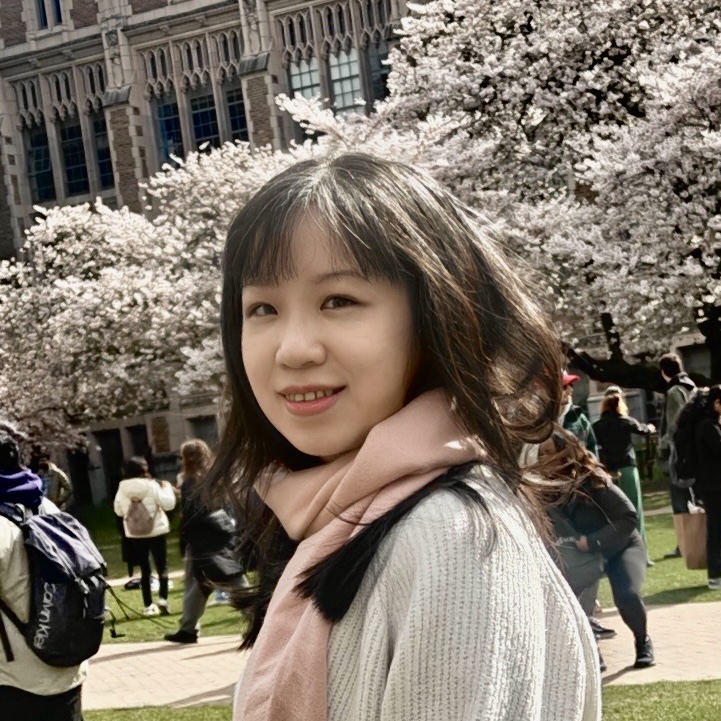
Joy Sung, PhD
Area of Responsibility: Joy specializes in bioinformatics. She uses single-cell and spatial transcriptomics, T cell receptor sequencing, and other multi-omics approaches to understand the mechanisms underlying response and resistance to T cell therapies. Her research experience spans clinical cancer studies in humans, vaccine responses in non-human primates, and genome-wide association studies in plants. Outside the lab, she enjoys spending time with her cats, playing video games, and playing the piano.
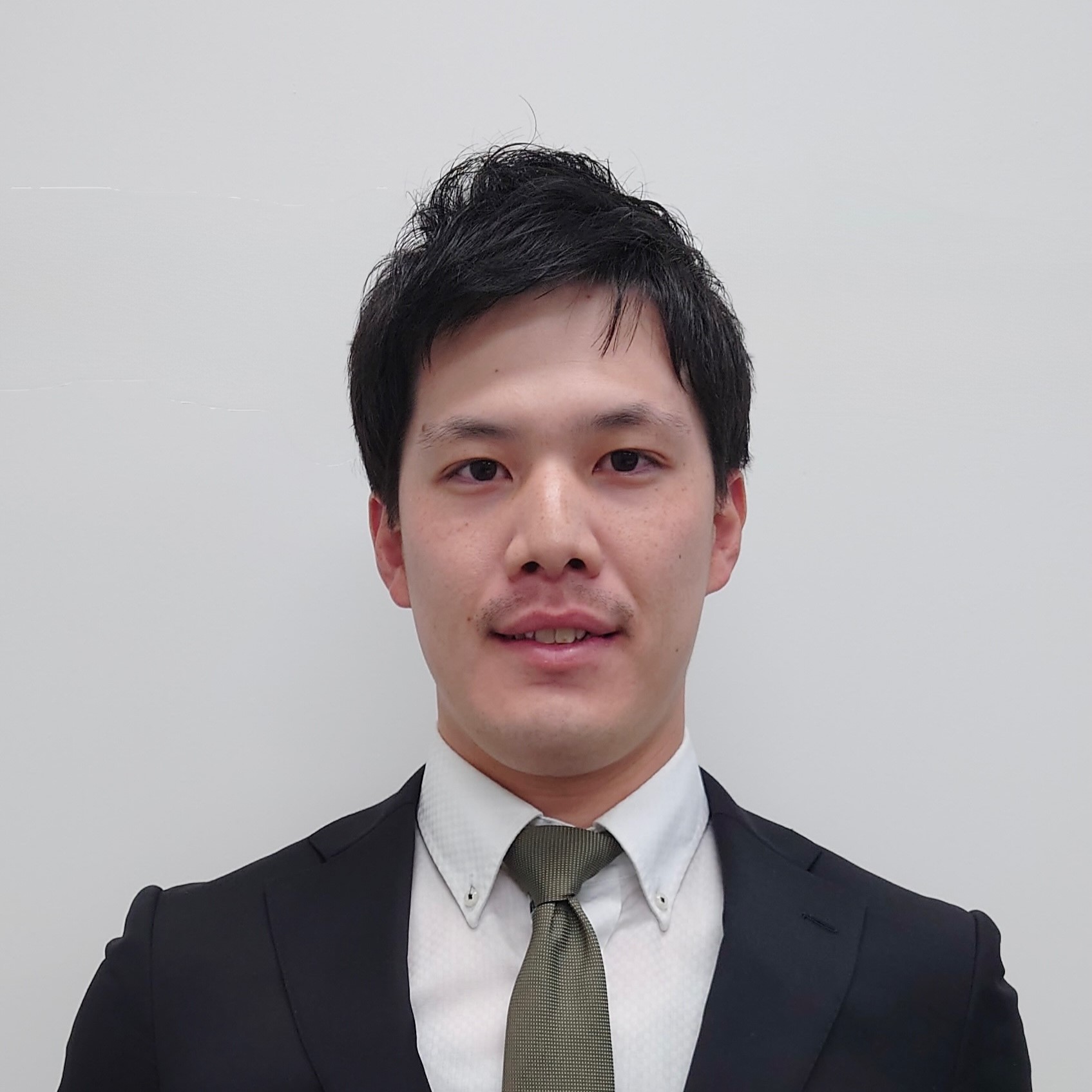
Seiji Natsuki, MD, PhD
Area of Responsibility: Seiji’s project focuses on developing next-generation TCR-T cell therapies for solid tumors to enhance T-cell function, persistence, and anti-tumor activity within the tumor microenvironment. Prior to joining the Chapuis Lab, Seiji worked as a gastrointestinal surgeon in Japan.
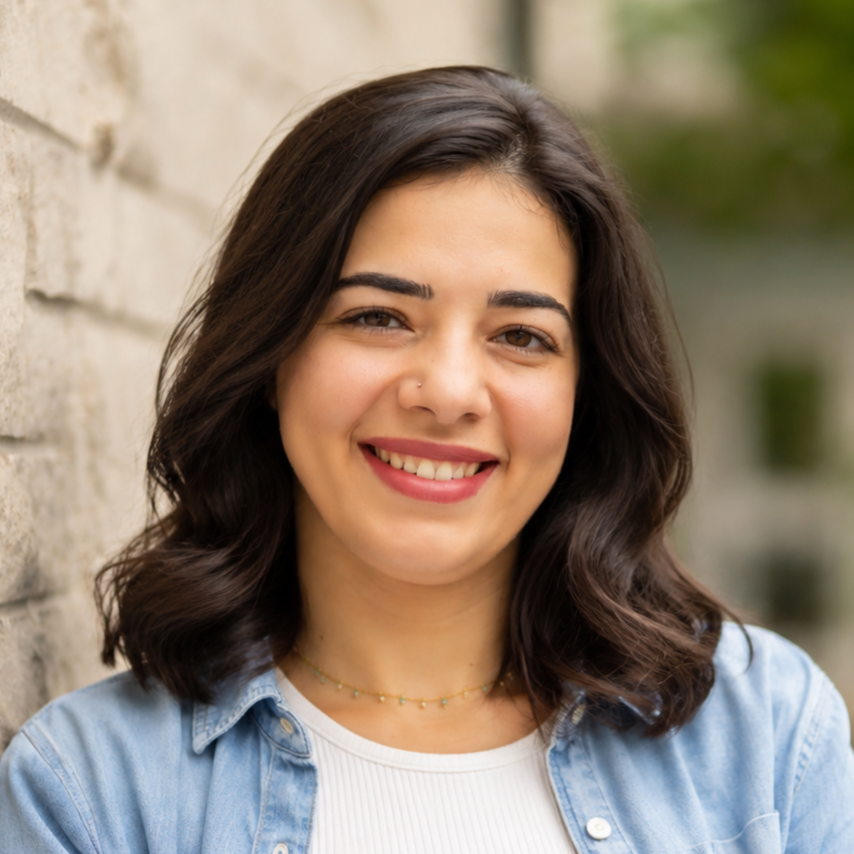
Amal Ali, PhD.
Area of Responsibility: Amal is working to understand the mechanisms that promote immune recovery and improve outcomes following cord blood transplantation. She is developing in vitro and preclinical models to investigate immune reconstitution and T-cell responses following transplantation.
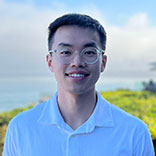
Alex Chen
Area of Responsibility: Alex works on computational generated miniprotein-based CAR-T cells against intracellular tumor antigens presented on pHLAs.
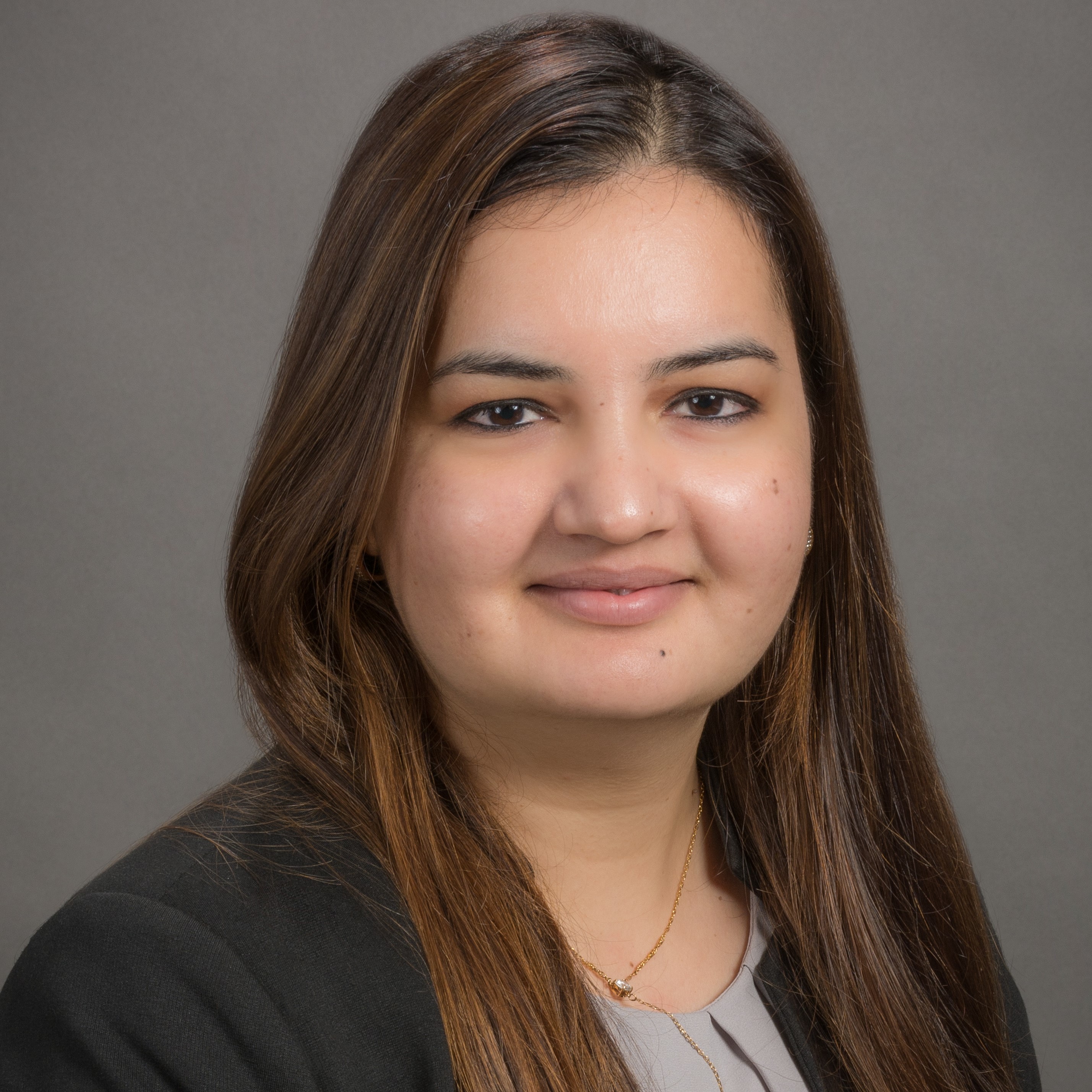
Naina Singhi
Area of Responsibility: Naina is working towards developing a cell based target reporter platform for T cell epitope discovery. She is also focused on exploring approaches to enhance TCR T cell therapy in patients with melanoma.
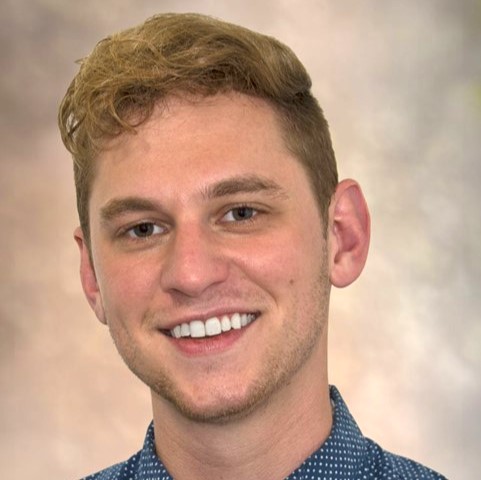
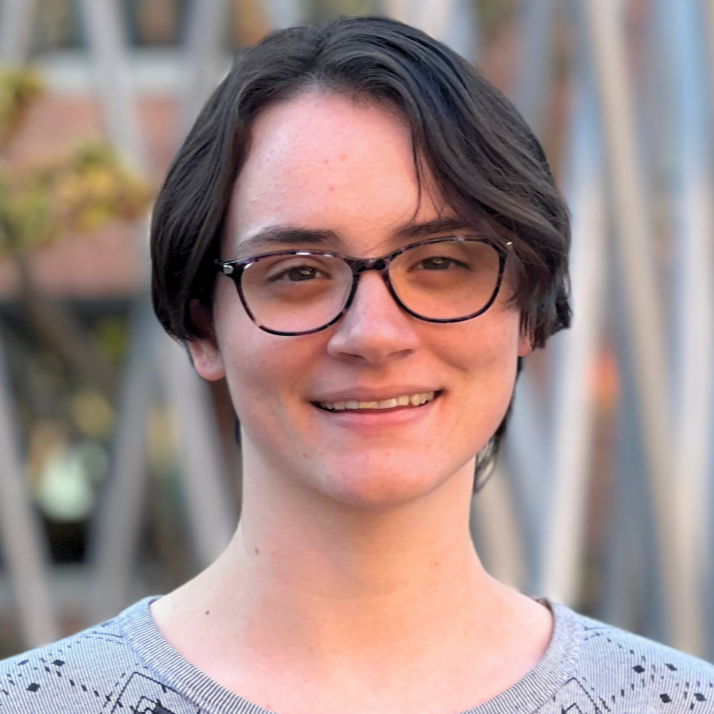
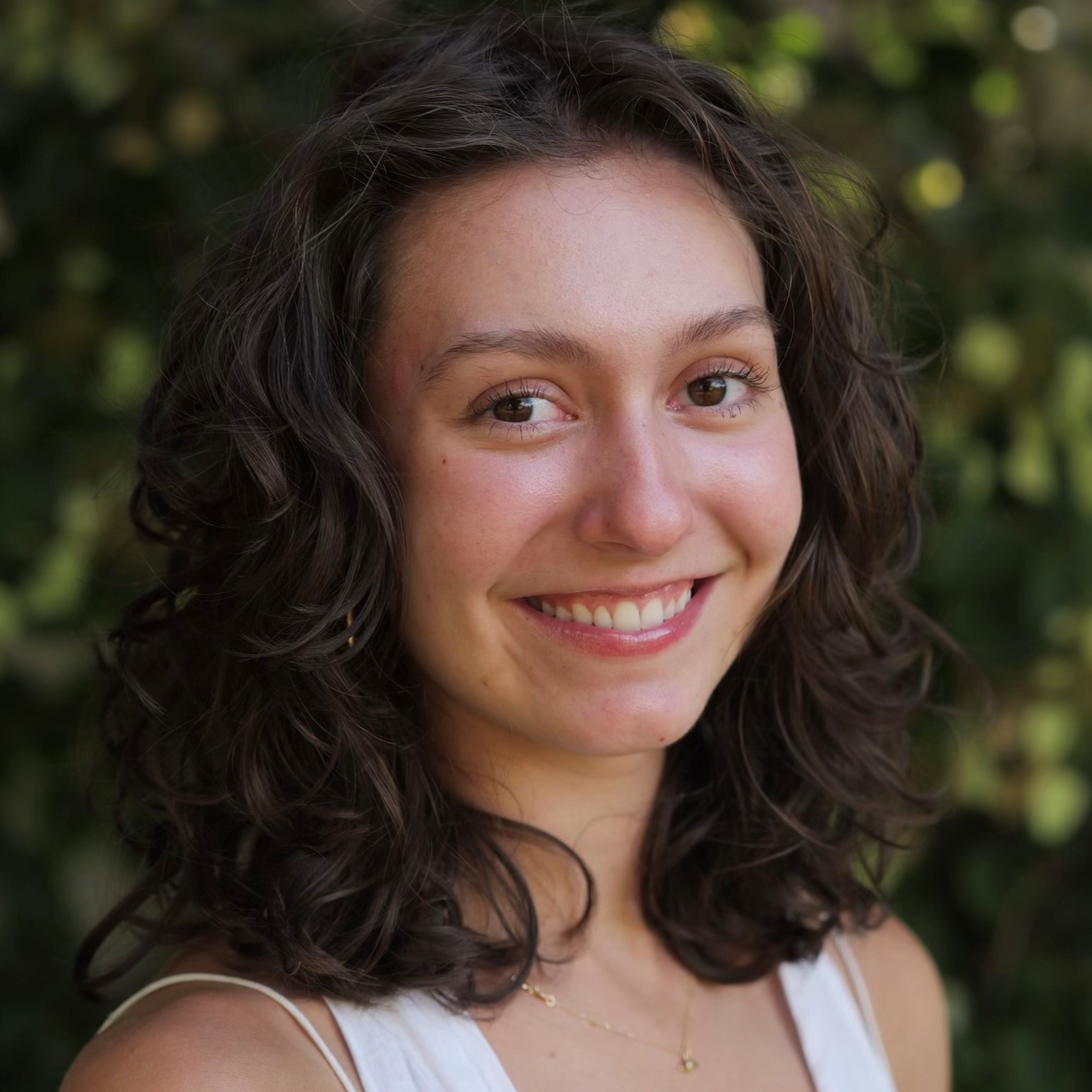
Sophia Jenes
Area of Responsibility: Sophia is a UW alum and Post‑Baccalaureate Scholar at Fred Hutch with a passion for making personalized immunotherapies more accessible. She works on developing and validating p/HLA‑targeted CARs that incorporate computationally designed miniprotein antigen‑recognition domains. When she’s not troubleshooting experiments, she’s likely dancing or learning new mandolin tunes.
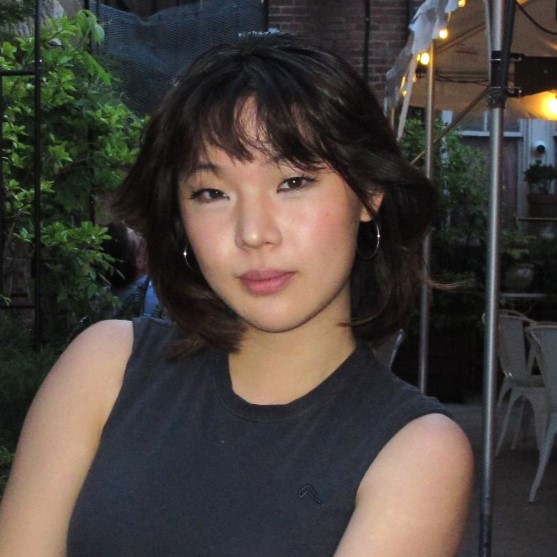
Marnie Wang
Area of Responsibility: Marnie is a Post Baccalaureate Scholar at Fred Hutch working on projects in stem cell transplantation and T cell receptor therapy. She studies mechanisms that promote hematopoietic and immune recovery following cord blood transplantation using primary human cord blood-derived cells. She also works on optimizing TCR-T cell therapies by engineering costimulatory signaling within the TCR/CD3 complex and evaluating its effects on T cell persistence and function.
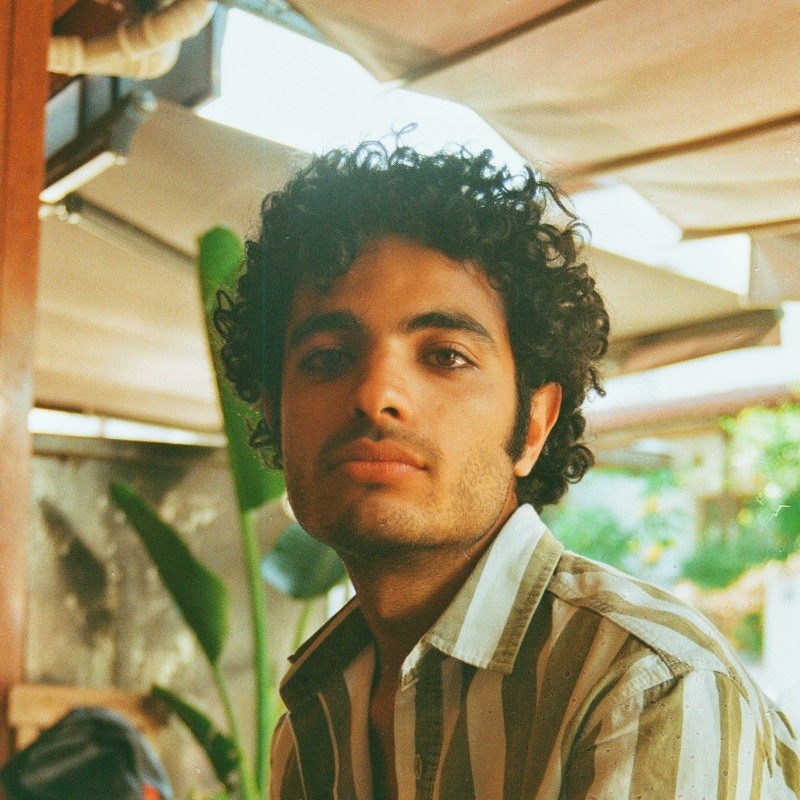
Parsa Kaffash
Area of Responsibility: Parsa supports TCR gene-engineered immunotherapy through humanization studies with CD34+ cells from cord blood, cell processing, irradiation, procedures, tumor monitoring, and flow cytometry. He is interested in applying an analytical approach to refine engraftment strategies and quantitative immune readouts that strengthen the lab’s translational work.