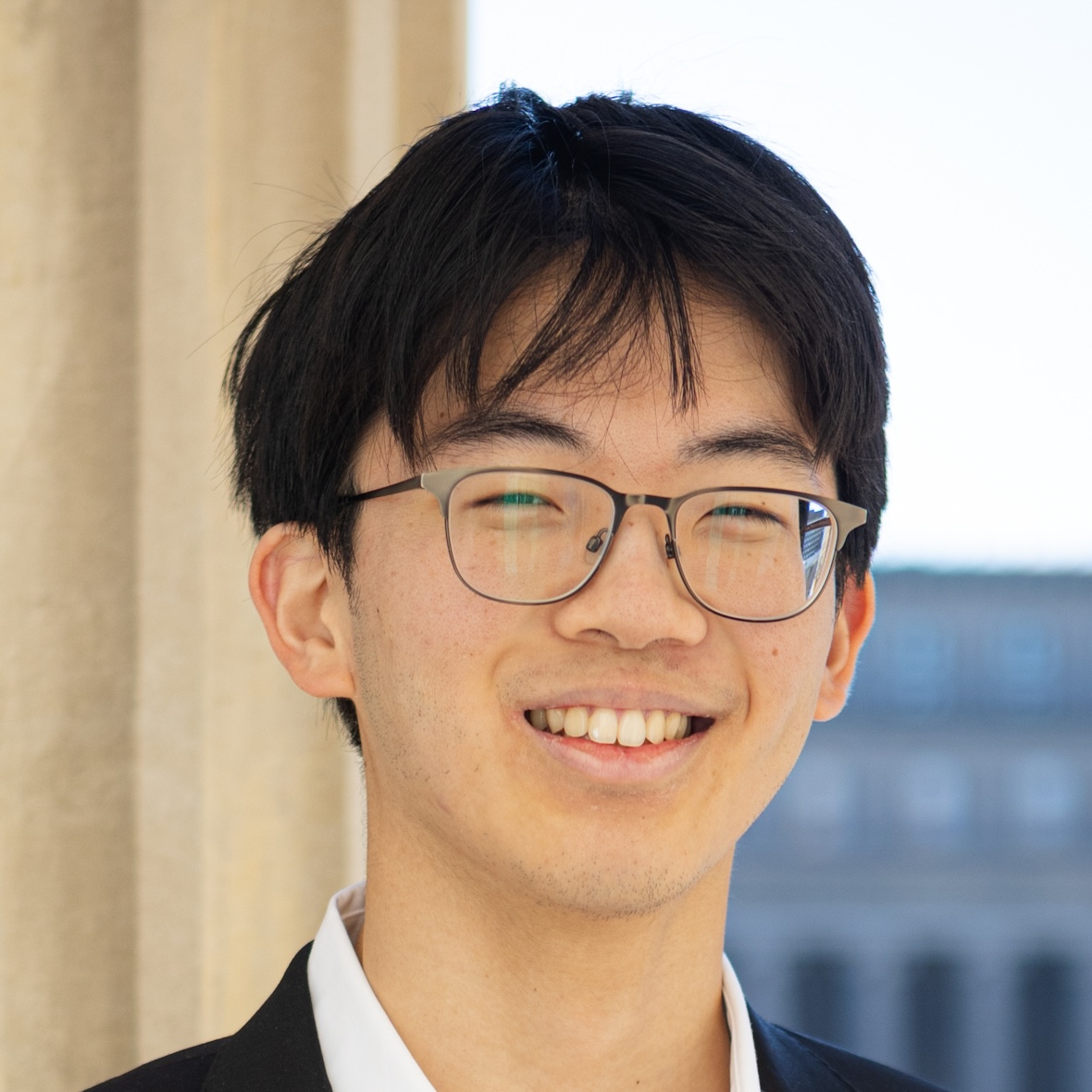
Joshua T Schiffer, MD, MSc
I am Professor in the Vaccine and Infectious Disease and Clinical Research Divisions at the Fred Hutchinson Cancer Center and an Associate Professor at the University of Washington in the Division of Allergy and Infectious Diseases, Department of Medicine. I love identifying problems in the clinic and the infectious diseases literature that can be addressed with mathematical models. I feel privileged to collaborate with such a driven and gifted group of multi-disciplinary scientists and clinicians at Fred Hutch and the University of Washington.
Daniel Reeves, PhD
I use a broad range of mathematical tools ranging from statistical physics, ecology, pharmacology, and epidemiology to inform vaccination, treatments, and cures for infectious diseases like SARS-CoV-2 and HIV. You can find out more on my Fred Hutch profile and www.dbrvs.org (personal).
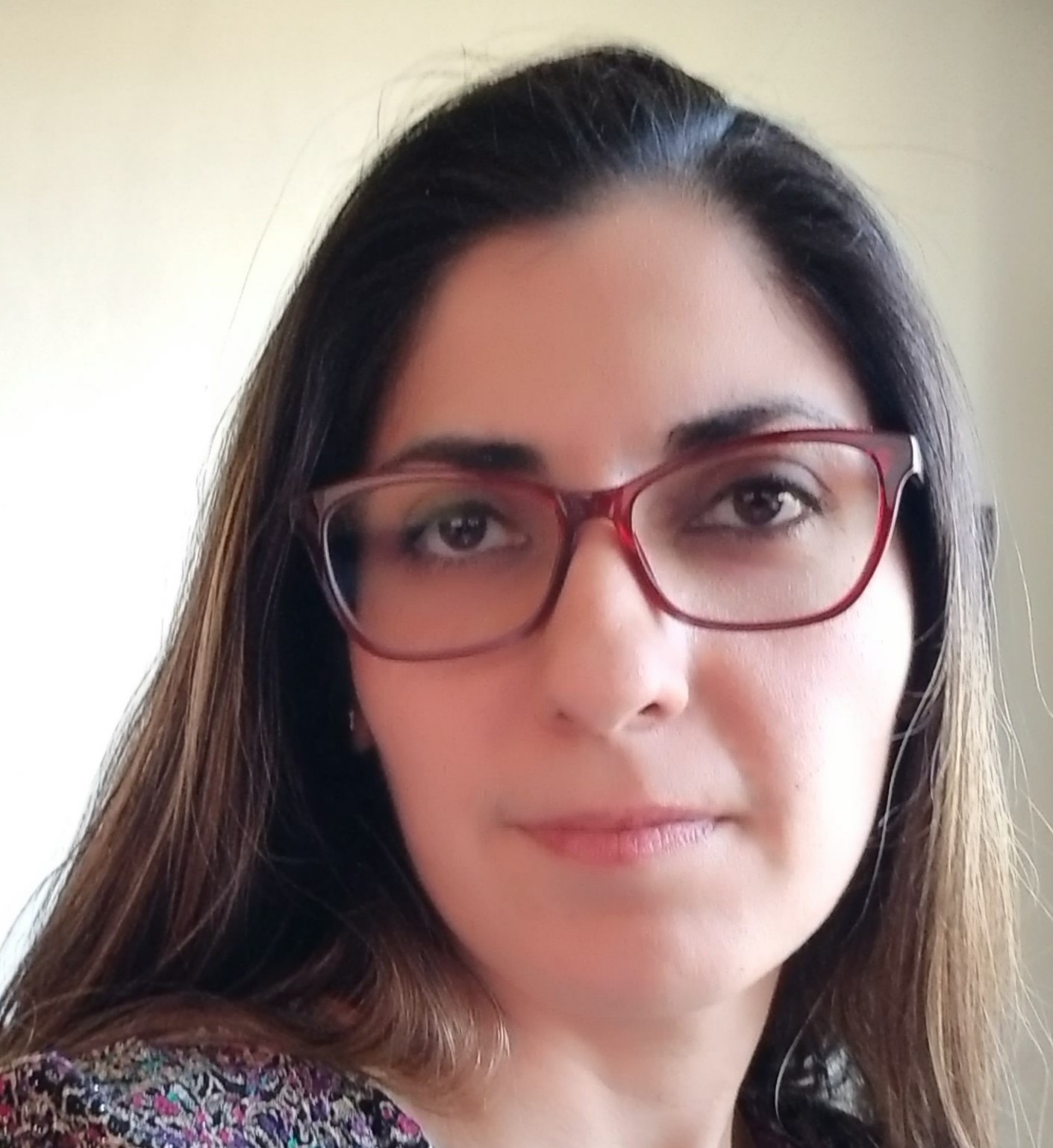
Shadi Esmaeili-Wellman, PhD
I am a statistical physicist by training, graduated from Virginia Tech in 2019. My burning desire to understand the complexity and interconnectedness of the human body sparked during my sister’s battle with cancer and only grew over time. After three years of post-graduate work at the interface between modeling ecological systems with statistical physics, I joined the fantastic, diverse group of scientists at the Vaccine and Infectious Disease Division to understand and model the virus dynamics and its interaction with the immune system. Here at Schiffer’s group, I’m modeling gene drive technology in herpes viruses and the pharmacokinetic and pharmacodynamic modeling of combination therapy and simulating a clinical trial.
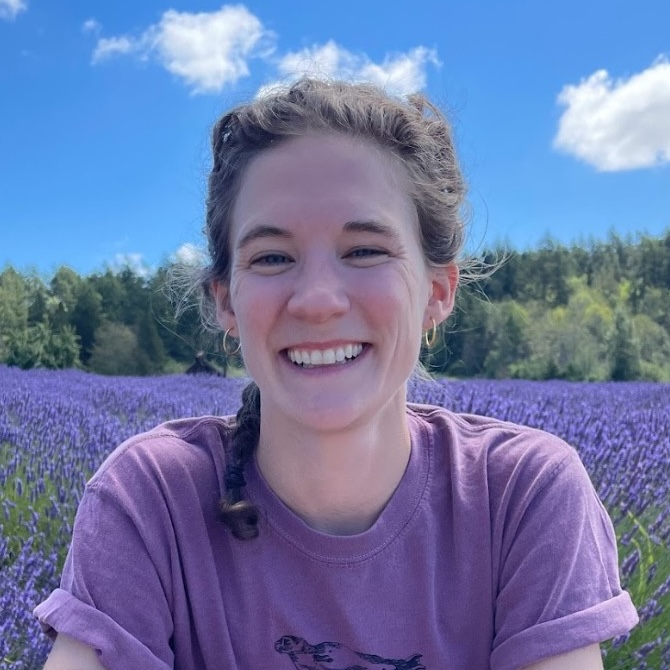
Katherine Owens, PhD
I studied mathematics at Willamette University and applied mathematics at the University of Washington before joining the Schiffer group as a post-doctoral research fellow in spring 2022. I am excited about using mechanistic mathematical models to address open questions in biology and medicine. In my current work, I aim to understand the within-host dynamics and evolution of SARS-CoV-2 during infection in order to inform optimal treatment plans for immunocompromised patients and clinical trial design.
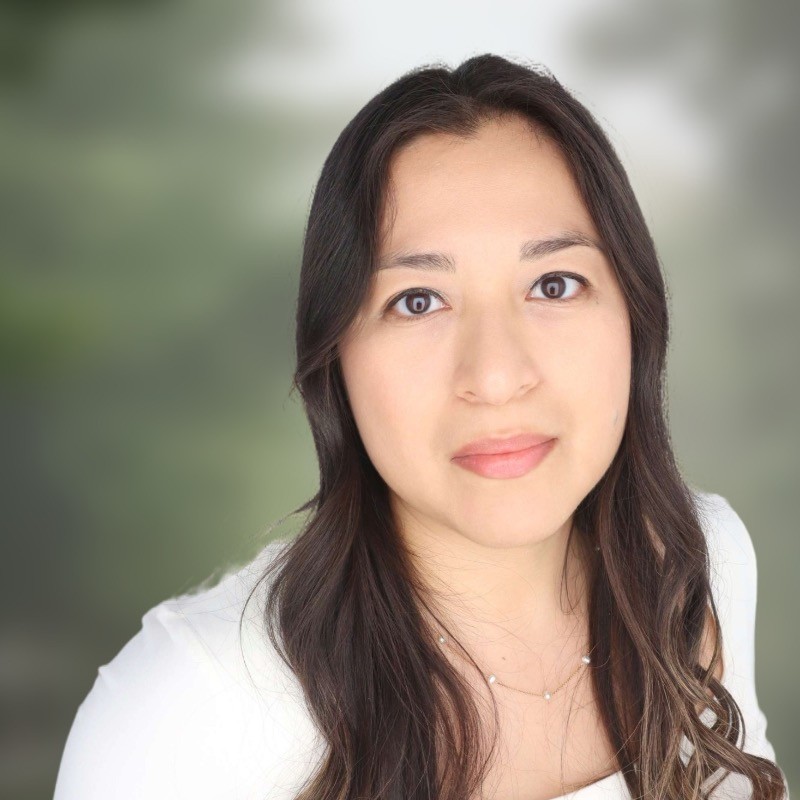
Lucero Rodriguez Rodriguez, PhD
I'm an applied mathematician who studied at the University of Texas Rio Grande Valley before earning my Ph.D. in Applied Mathematics for the Life and Social Sciences from Arizona State University in 2024. I joined the Schiffer Group in early 2025 to use mathematical modeling to study the complex systems that arise at the cellular level, particularly in the context of the human immune system and HIV infection. My current research focuses on modeling the evolutionary dynamics of HIV to better understand the persistence of the viral reservoir and to help identify which therapeutics are most effective at different stages of infection.
Chenhui Ma, PhD
I studied Electrical Engineering and earned my PhD at Case Western Reserve University before joining the Schiffer group as a postdoctoral research fellow in early 2026. I became fascinated by systems biology when I realized that ideas from Electrical Engineering could help make sense of the complexity of living systems. During my PhD, I developed multiscale computational models to uncover emergent cellular phenomena, investigate resistance in tumor systems, and explore how model-informed mechanisms can guide cancer treatment strategies. I am also interested in using large language models to improve treatment selection for patients with late-stage cancer. My current research focuses on developing mathematical models of neutralizing antibodies for respiratory viruses to help better understand their mechanisms of action and how different antibody combinations influence efficacy.

Humayra Tasnim, PhD
I am a computer scientist who earned her MS and PhD from the University of New Mexico. I received both Master’s and Bachelor’s degrees in Computer Science and Engineering from the University of Dhaka, Bangladesh. My research aims to develop advanced computational techniques to model and analyze complex biological systems, large datasets, and bioimaging to enhance understanding and improve prognosis capabilities. My PhD projects include: spatial modeling of viral infection dynamics in the lung using CT-informed agent-based models; developing information-theoretic methods for analyzing multivariate, time-varying imaging data; and modeling Immune (T cell) cell search behavior. I joined the Schiffer Group as a Postdoctoral Fellow in 2026. I build computational models that connect virus and immune system dynamics with phylogenetics and large-scale data. The goal is to understand HIV persistence better and help pave the way towards a cure.

Austin Nixon, PhD
I grew up in Washington state and studied physics and chemistry at the University of Washington. I went on to receive my Ph.D. in chemistry from my alma mater, where my research employed computational and physics-based modeling to investigate light-matter interactions in nanoscale systems. I joined the Schiffer group as a post-doctoral research fellow in May of 2026 and am thrilled by the opportunity to explore questions in immunology and within-host viral dynamics using a variety of mathematical and computational methods. Currently, my research focuses on developing and applying simulations and biophysical models of T cell dynamics in response to viruses and vaccines.
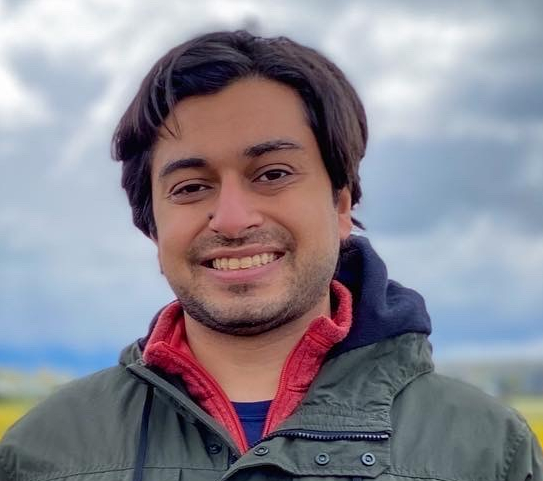
Amin Bemanian, MD, PhD
I am a pediatric infectious disease physician who studied at the Medical College of Wisconsin for my MD/PhD and then completed my clinical training at the University of Washington/Seattle Children’s Hospital. My research interests have focused on how geography and spatial structure affect human disease and health systems. My PhD work focused on modeling cancer disparities, and during residency I estimated the spatial accessibility of the SARS-CoV-2 vaccine for children. During fellowship, I studied the geographic and social transmission patterns of SARS-CoV-2 using genomic data. My current work focuses on integrating these spatial and social structures into mechanistic mathematical models of viruses to understand how new lineages spread across populations.
Alumni
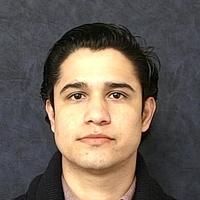
Ugo Avila-Ponce de Leon, PhD
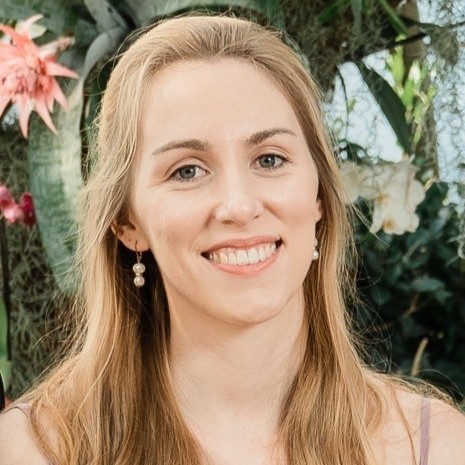
Catherine Byrne
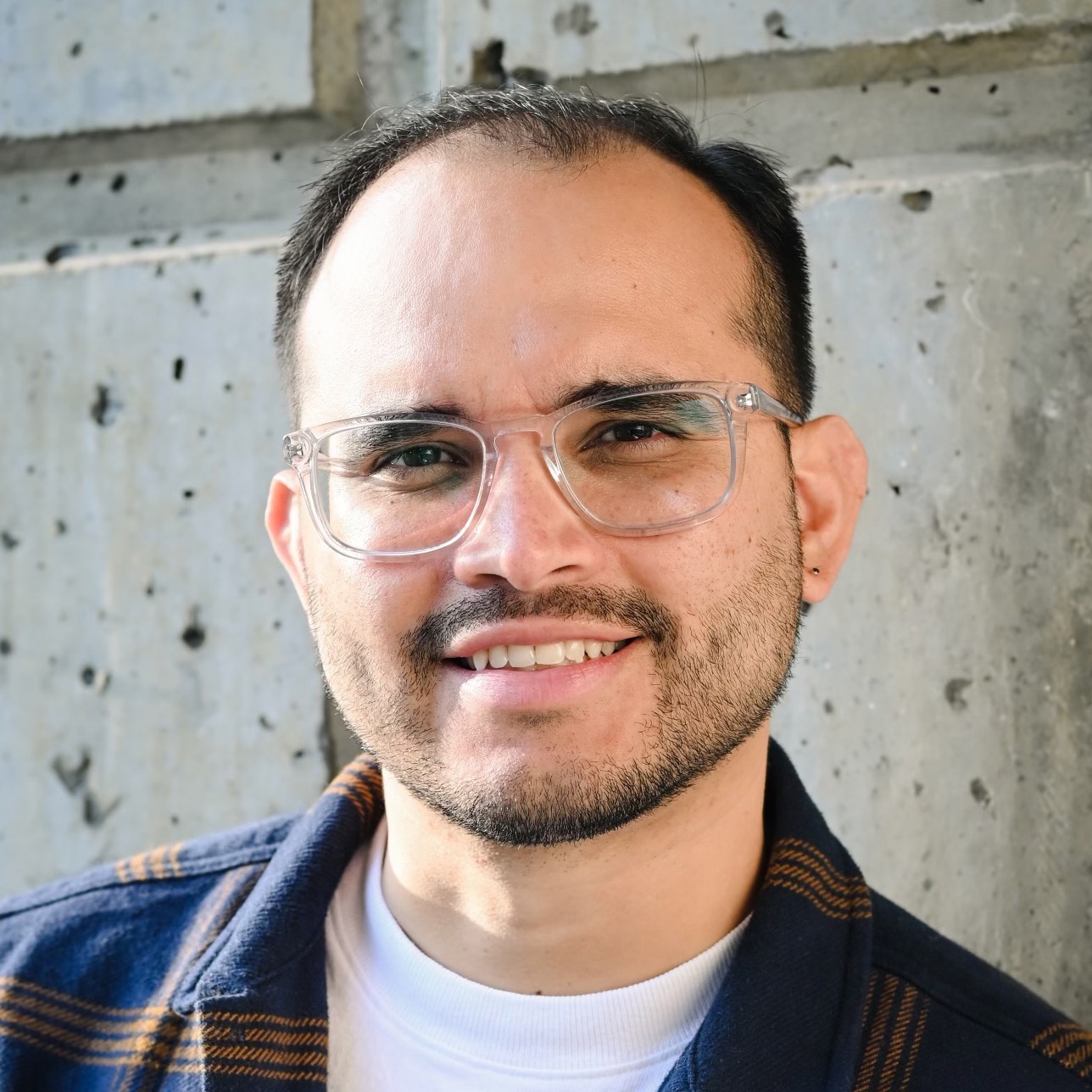
E. Fabian Cardozo-Ojeda, PhD

Elizabeth Duke, MD
Anna Fuss
Salisu Garba, PhD
Ashish Goyal, PhD
Jonah Hall

Yubi Mamiya
Makayla Poindexter

Pavitra Roychoudhury, PhD
David Swan, MS, MME
Florencia Tettamanti Boshier, PhD
Angela Tower
Shuang Xu
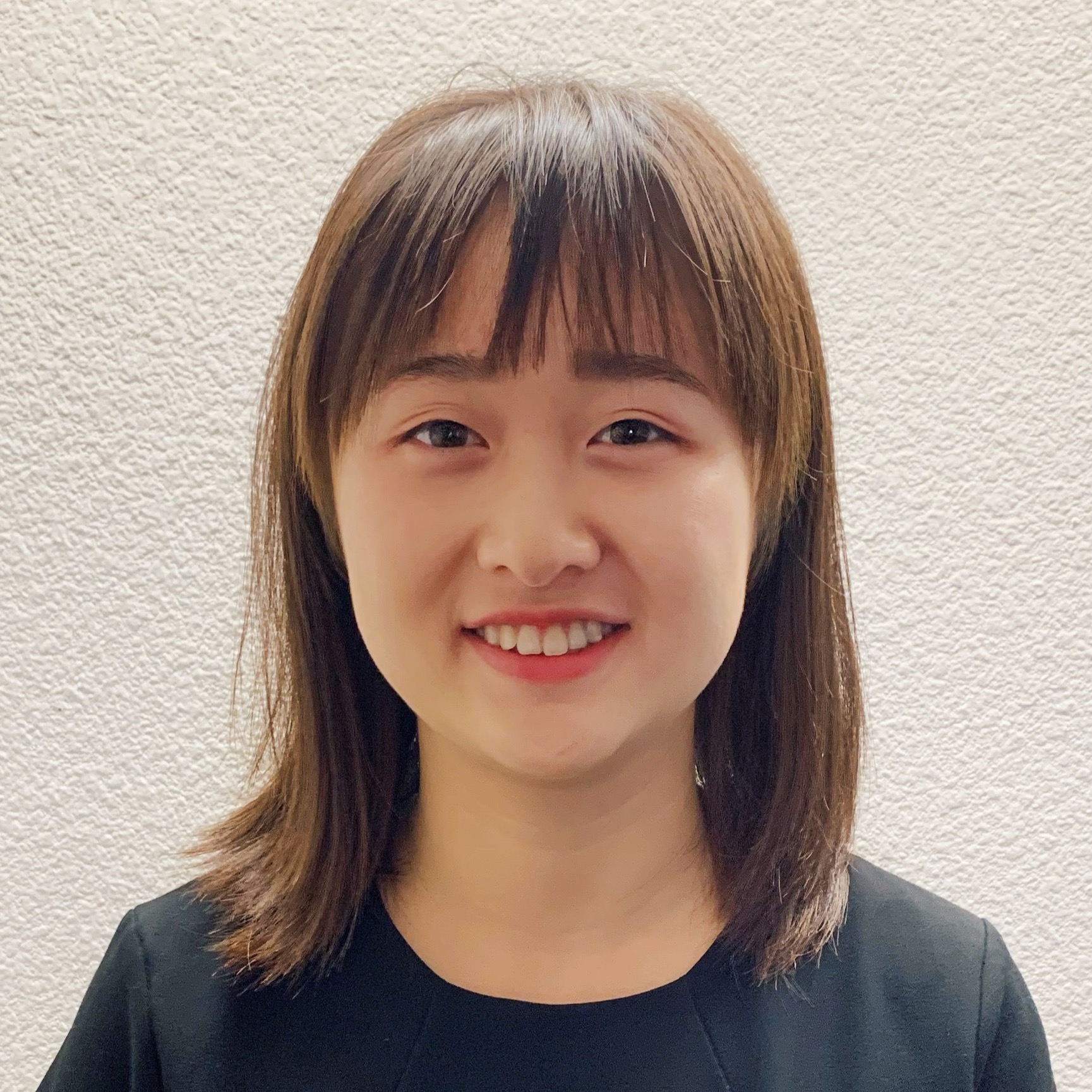
Shuyi (Judy) Yang